
The Konark Sun Temple, located in the eastern Indian state of Odisha, is celebrated as one of India’s greatest architectural achievements. This UNESCO World Heritage site, known for its amazing design and rich history, attracts countless visitors each year. While its magnificence is widely recognized, there are several lesser-known facts of the temple’s design and history that deserve exploration. This post seeks to explore the Konark Sun Temple architectural, historical, and scientific aspects of this remarkable monument.
Best Time to Experience: The optimal period to visit is from October to March, when the weather is most favorable
Architectural Significance
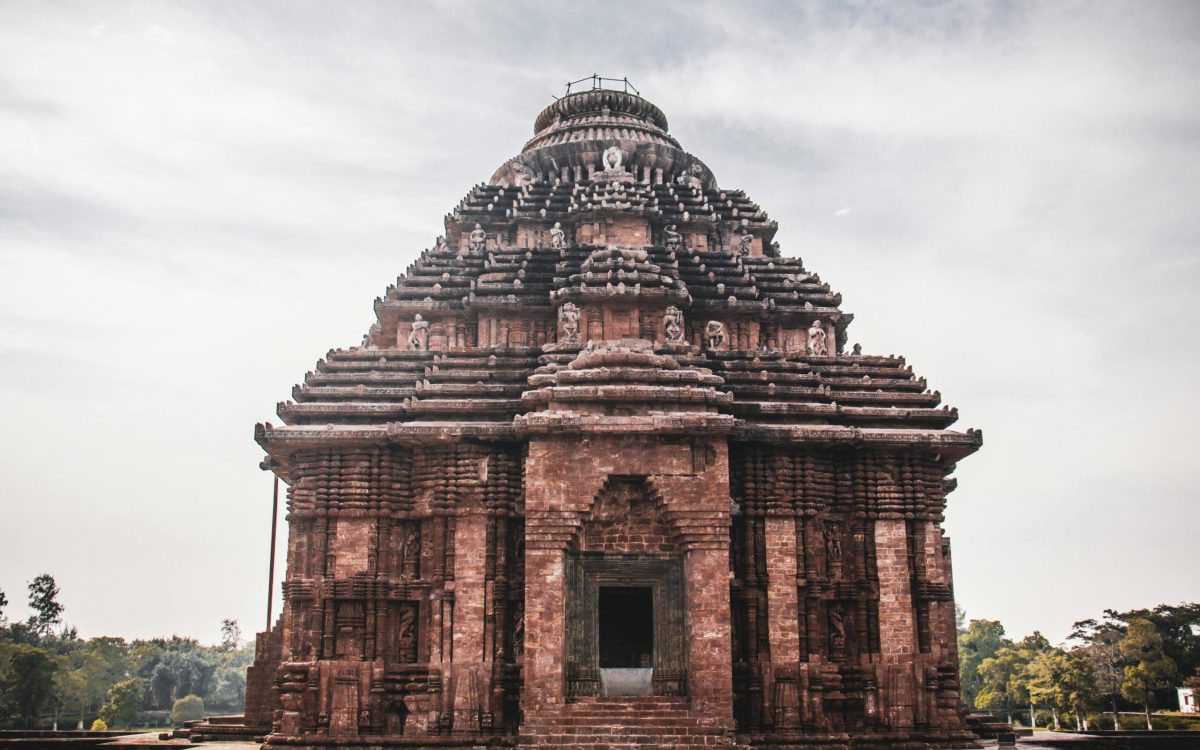
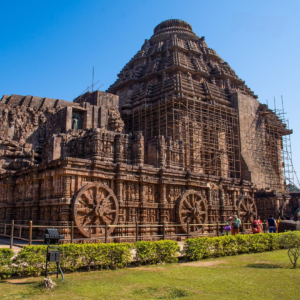
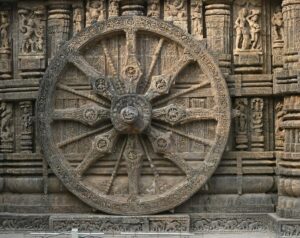
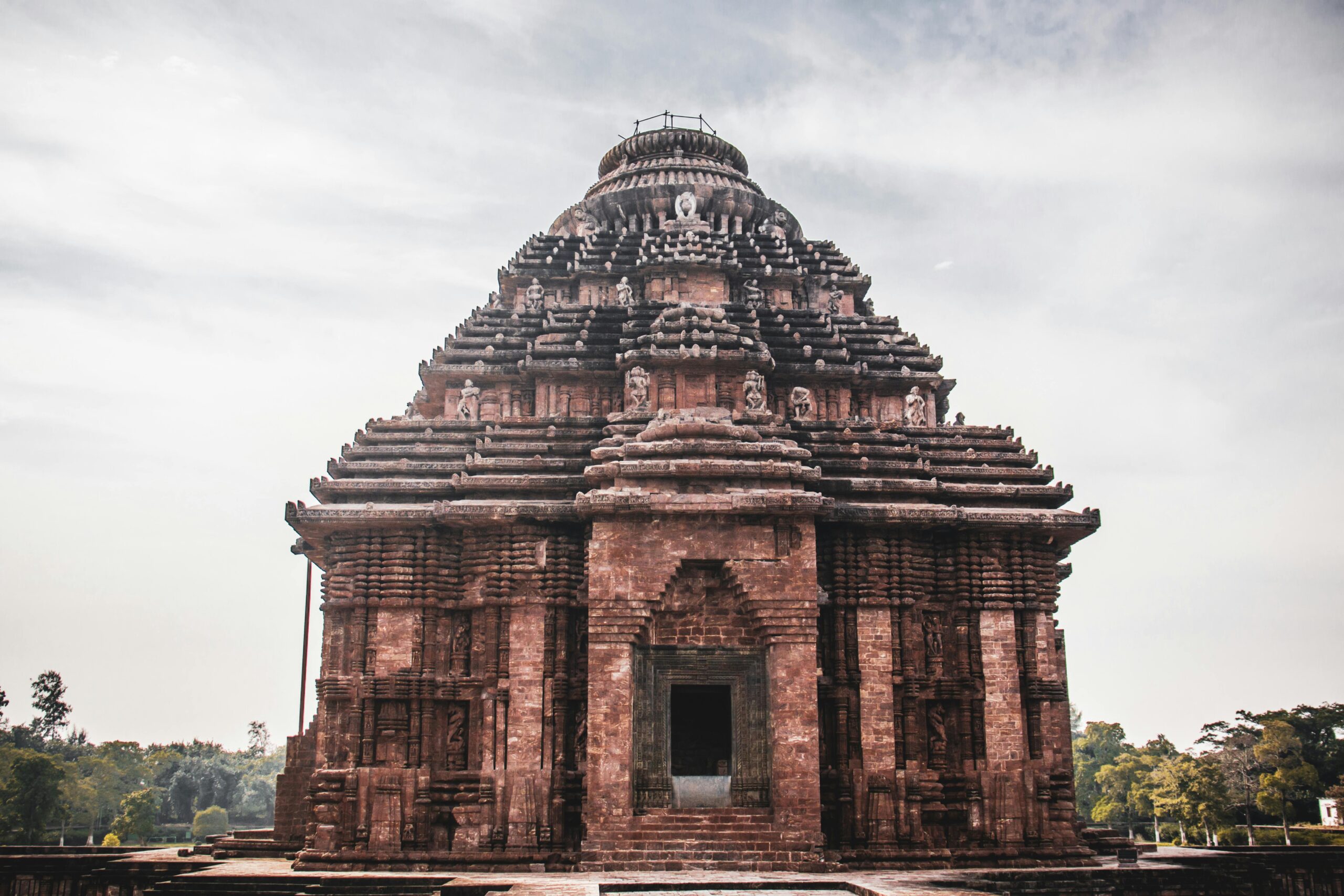
The Konark Sun Temple, often called the Black Pagoda, was built in the 13th century by King Narasimhadeva I. The entire temple was conceived as a chariot of the Sun God with a set of spokes and elaborate carvings. The wheels of chariot are carved, and their design is featuring twelve wheels that symbolize the twelve months of the year and seven horses that represent the seven days of the week,so believed to represent the passage of time, marking the hours of the day with remarkable accuracy.
The walls of the temple are enhanced with detailed carvings showcasing scenes from Hindu mythology, celestial dancers, and various sculptures, offering insight into the culture and religious practices of that time.
Detailed Sculptures: The temple’s walls are embellished with a vast array of carvings, illustrating various scenes from Hindu mythology, celestial dancers, and sculptures, offering valuable insights into the culture and religious practices of the time. Konark Sun Temple truly exemplifies the intersection of art, science, and wonder.
Historical Context and Hidden Aspects
Solar Alignment and Radiance: A unique feature of the temple is its precise alignment with the sun’s rays.The structural design of the Konark Sun Temple shows an advanced understanding of geometry and mathematics. The twelve stone wheels are also function as a clock. Some scientists believe that the temple’s builders used advanced mathematical calculations to construct this mechanism, with carved wheels reflecting time intervals and serving as an ancient solar calendar. At dawn, the sunlight falls directly on the sanctum idol of Surya creating illumination at the exact time of sunrise which depicts the temple’s dedication to the solar deity.
Destruction and Decline: While the temple once stood as an architectural wonder, it faced considerable difficulties over time. Historians believe that it was originally more expansive than what is left today, as the Konark Sun Temple stands as the intersection of art, science, and wonder.
Magnetic Properties:It is believed that this enormous power comes from the two powerful magnets. Folklore claims that a powerful magnet was once placed at the top of the temple, helping to support the chariot’s floating mechanism. Although there is no scientific proof to this story, it continues to create curiosity, with some believing that the temple’s deteriorition was due to the loss of this magnet.
The Myth of the Architect: Legend has it that the temple was built by the divine architect Biswakarma. However, after finishing the temple, he was said to have been cursed by King Narasimhadeva I, which resulted in his blindness. Some stories suggest that the curse remains active in that area to this day.
Conservation and Preservation Efforts :
The Konark Sun Temple, despite suffering centuries of damage, stands as a remarkable example of architectural brilliance. The Archaeological Survey of India (ASI) has initiated important preservation and conservation efforts to protect the temple from further deterioration. However, some environmental issues like erosion and weathering continue to threaten the structural stability.
Tourism and Travel:
Planning a visit to Konark Sun Temple of Odisha? Here’s a simple guide:
– Location: Near Puri, easily reachable by bus or taxi.
– Nearby Attractions: Visit Chandrabhaga Beach, the Konark Museum, and Jagannath Temple in Puri. – Photography: The temple’s stunning architecture and carvings are perfect for photography.
Conclusion:
The Konark Sun Temple is a remarkable example of ancient Indian art, showcasing the creativity and spiritual dedication of its builders. Its historical and scientific importance continues to engage scholars, historians, and tourists alike. By exploring these scientific elements, we get to know about the temple’s importance deeply, highlighting that it was not just an artistic creation, but a highly advanced structure that balanced natural forces with human creativity. The temple stands not only as a religious monument but also as a proof to the intersection of art, science and wonder in ancient India.



1 Comment
Inventore porro et est dicta tempora. Facilis velit reprehenderit rerum ea cum. Et iusto nobis quam rerum. Suscipit perferendis vel dolore iste. Ducimus aliquam consequatur magnam animi. in corporis repudiandae in aut magnam. at dolorem nobis sunt quis laborum qui. Omnis hic voluptas distinctio quia Ut quo in